

Summer Can Also Be For Learning, But Not Just Reading, Writing and Math: How Children Can Improve Social, Communication and Regulation Skills Over Break


by David Krasky, Psy.S. Licensed School Psychologist and author of Raising Future Adults
For many families, summer becomes a race to prevent “academic regression.” Parents buy workbooks, schedule tutoring, and worry about maintaining reading and math skills before school resumes. But some of the most important learning opportunities during childhood are not found in worksheets.
Summer offers something the school year often cannot: time to practice real-life skills in real-life situations. Skills like social confidence, communication abilities, decision making, emotional regulation, independence, organization, frustration tolerance, problem solving, and responsibility are skills children build through repeated experience — not lectures. Like reading fluency or multiplication, these abilities improve through practice.
The good news is that children do not need expensive programs or constant parental instruction to develop these skills. In fact, many of the best opportunities happen naturally during everyday family life. The key is intentional exposure, gradual responsibility, and allowing children enough space to practice without overrescue.
Why Summer Is a Critical Time for Social and Emotional Development
During the school year, children's lives are often highly structured with rigid schedules, supervised peer interactions and parents solving many of their problems before they get a chance to.
What's great about summer break is that it creates room for unstructured peer interactions, boredom-driven creativity and learning through trial and error or natural consequences.
Children who struggle socially, emotionally, or behaviorally often need more practice — not simply more correction. A child does not become socially confident by hearing, “Go make friends.”They become socially confident by learning how to:
initiate conversations,
tolerate and not run away from awkward moments,
recover from mistakes,
solve peer problems,
view discomfort as being manageable.
Summer can become a “social and life skills laboratory” where children safely build these abilities.
Skills Children Can Practice Over Summer
1. Social Initiation Skills

Many children today struggle with starting interactions, entering groups, maintaining conversations, or handling rejection. Increased screen time and reduced unstructured play have limited opportunities to practice these skills naturally.
Parents Can Encourage:
ordering food independently,
asking store employees questions,
greeting neighbors,
introducing themselves at camps or activities,
calling a friend instead of texting,
inviting peers over,
participating in team activities,
initiating conversations with relatives.
Helpful Parent Phrases
Instead of:
“Do you want me to ask for you?”
Try:
“You can handle this.”
“I’ll stay nearby while you ask.”
“What’s your plan for starting the conversation?”
“What’s one question you could ask them?”
The goal is not perfection. The goal is repetition.
2. Executive Functioning Skills

Executive functioning includes skills like planning, organization, time management, etc.
These skills predict success in adulthood as much as academic intelligence. Summer is an ideal time to strengthen them through daily responsibilities.
Natural Ways to Build Executive Functioning
Children can:
pack their own bags,
prepare simple meals,
manage a daily checklist,
plan outings,
organize sports equipment,
budget allowance money,
manage summer reading schedules,
help create grocery lists,
use calendars and reminders,
plan a family activity from beginning to end.
Parents should resist the urge to overmanage.
If a child forgets sunscreen once, that discomfort often teaches more than ten reminders.
Natural consequences create learning opportunities when handled safely and calmly.
3. Emotional Regulation Skills

Emotional regulation develops when children experience manageable stress and learn they can survive it. Children strengthen regulation skills when they:
wait,
lose games,
experience disappointment,
navigate boredom,
compromise,
tolerate frustration,
and recover from mistakes.
Summer Activities That Build Regulation
board games,
sports,
fishing,
hiking,
cooking,
long car rides,
sibling collaboration,
delayed gratification activities,
group projects,
outdoor adventures.
Parents Can Model Regulation By:
narrating coping skills aloud,
remaining calm during conflict,
validating emotions without immediately fixing problems,
teaching pause-and-plan strategies,
encouraging problem solving before intervening.
Helpful phrases:
“This is frustrating, but you can handle frustrating things.”
“What’s your next best choice?”
“How can you calm your body first?”
“What’s the problem and what are your options?”
4. Decision-Making Skills

Many children become dependent on adults to make choices for them. Healthy decision making develops through experience, small risks, mistakes and reflection.
Safe Ways to Build Decision Making
Children can:
choose activities,
manage spending money,
plan meals,
navigate schedules,
solve sibling conflicts,
decide how to use free time,
select consequences for mistakes,
evaluate pros and cons.
Parents should gradually shift from director to coach.
Instead of:
“Do this.”
Try:
“What’s your plan?”
“What could happen if you choose that?”
“What’s another option?”
Children develop judgment by using judgment.
The Importance of Allowing Safe Failure
One of the greatest barriers to skill development today is overprotection.
Children cannot develop resilience without:
frustration,
discomfort,
mistakes,
awkwardness,
disappointment,
and recovery.
This DOES NOT mean exposing children to unsafe situations. It means allowing age-appropriate struggle.
When adults constantly rescue children from discomfort:
executive functioning weakens,
anxiety increases,
confidence decreases,
and dependence grows.
Confidence does not come from constant success. Confidence comes from surviving challenges.
Summer Should Prepare Children for Life, Not Just School
Reading, writing, and math matter enormously. But adulthood also requires strong communication skills, resilience (the ability to bounce back from difficult situations or failures), emotional control, responsibility, flexibility, social confidence and independent thinking.
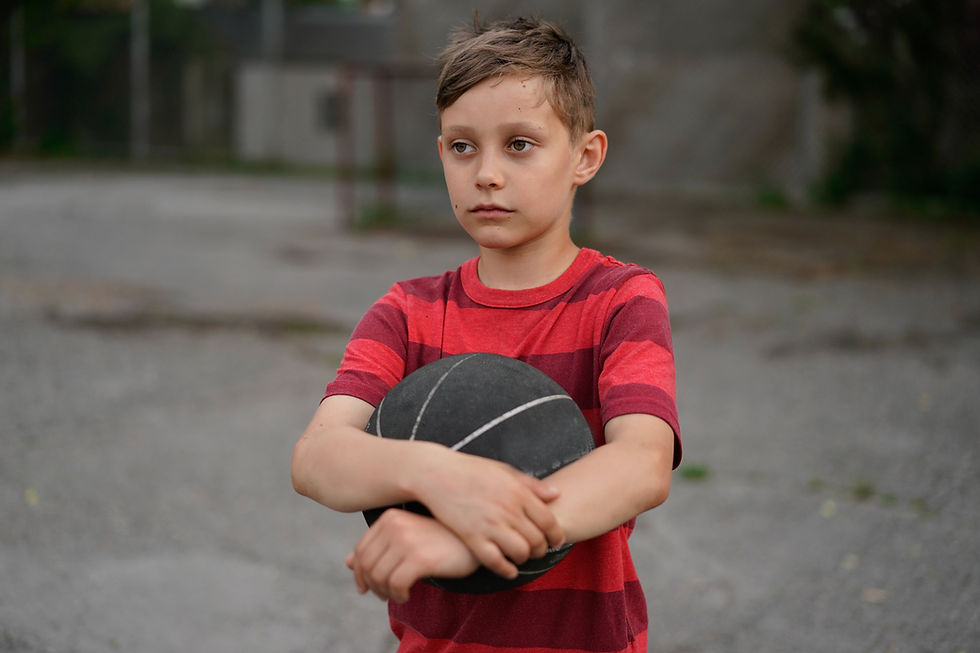
Summer provides one of the best opportunities all year to strengthen these abilities naturally.
Children rarely remember the worksheet packets years later.
They remember:
solving problems independently,
learning to navigate friendships,
helping the family,
earning responsibility,
overcoming fears,
and discovering they are more capable than they believed.
Those are the skills that last long after summer ends.
Read more in Raising Future Adults by David Krasky, Psy.S. author and Licensed School Psychologist


Comments