

When Parents Fight: Navigating Parental Disputes and Their Effects on Childhood Anxiety

Updated: Sep 3
by David Krasky, Psy.S., licensed school psychologist and author of Raising Future Adults
Parental disagreements are a common part of family life, but when these disputes become frequent or intense, they can deeply affect children’s emotional well-being. Childhood anxiety often stems from the stress and confusion caused by witnessing parental conflicts. Understanding how these disputes impact children and learning how to manage conversations around them can help reduce anxiety and foster a healthier family environment.
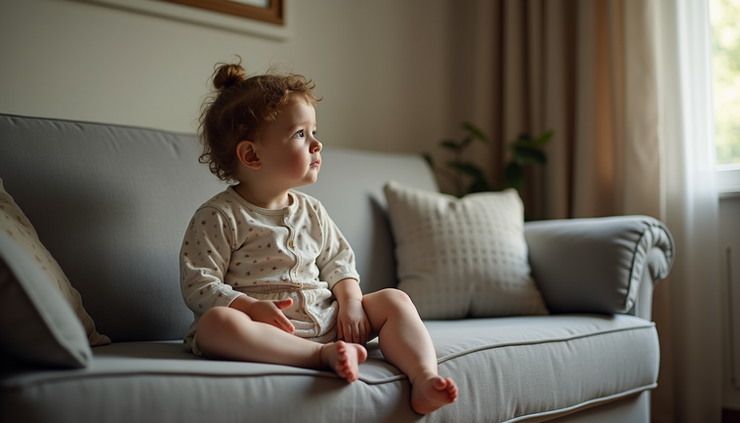
How Parental Disputes Affect Childhood Anxiety
Children are highly sensitive to the emotional climate at home. When parents argue, children may feel unsafe, confused, or responsible for the conflict. These feelings can trigger anxiety, which might show up as:
Sleep disturbances such as nightmares or difficulty falling asleep
Physical symptoms like stomachaches or headaches without clear medical causes
Behavioral changes including withdrawal, irritability, or aggression
Difficulty concentrating at school or during activities
Excessive worry about family stability or their own safety
The impact depends on the child’s age, temperament, and the nature of the disputes. For example, younger children might not understand the reasons behind arguments but can sense tension and fear. Older children may internalize blame or feel torn between parents. Most of the children and teens I've worked with share that they also feel angry or disappointed and just want it all to STOP!
Which Conversations Should Happen in Front of Children
Not all parental discussions are harmful to children. Some conversations, when handled carefully, can model healthy communication and problem-solving. These include:
Calm discussions about daily plans or family activities
Positive conversations about feelings and support
Age-appropriate explanations about changes in the family
However, parents should avoid discussing:
Financial problems or legal issues that might cause worry
Blame or criticism directed at each other (especially in divorced or separated families)
Details of conflicts that involve anger or hostility
Sensitive topics like separation or divorce before children are ready
Keeping these conversations private helps protect children from unnecessary stress and confusion.
How to Have Private Conversations with Children

Sometimes parents need to talk about difficult subjects with their children, such as changes in the family or feelings the child might be experiencing. To reduce embarrassment and defiance, try these approaches:
Choose a quiet, comfortable space where the child feels safe
Use simple, clear language appropriate for the child’s age
Encourage questions and listen actively without interrupting
Validate their feelings by acknowledging their emotions without judgment
Offer reassurance about their place in the family and your love for them
For example, a parent might say, “I know things have been hard lately, and it’s okay to feel upset. I’m here to listen whenever you want to talk.” This approach helps children feel respected and understood. It also gives them the space to choose to talk to you, not be forced into doing so.
Practical Tips to Reduce Anxiety from Parental Disputes
Parents can take steps to minimize the negative effects of disputes on children:
Keep arguments private and avoid shouting or aggressive behavior in front of children
Agree on a united front when discussing family matters with children
Create routines and stability to provide a sense of security
Spend quality time with children to strengthen emotional bonds
Seek professional help if disputes become frequent or intense, such as family counseling
By focusing on respectful communication and emotional support, parents can help children feel safe even during challenging times.
Recognizing When Children Need Extra Support
Sometimes anxiety caused by parental disputes requires additional help. Signs that a child might need professional support include:
Persistent anxiety or fear lasting more than a few weeks
Withdrawal from friends or activities they once enjoyed
Declining school performance
Physical complaints without medical explanation like change in energy or appetite
Expressions of hopelessness or sadness
In these cases, consulting a child psychologist or counselor can provide children with coping tools and emotional guidance. If you don't have the means to seek outside support, try to default to speaking with your partner in private or tabling it for a time in which you can have privacy.
For more, check out Raising Future Adults by David Krasky, Psy.S., licensed school psychologist and author

Comments